
Introduction to the M60 Motorway
The M60 motorway is one of the most important road networks in the North West of England, forming a complete orbital route around Greater Manchester. Often referred to as the Manchester Outer Ring Road, the M60 plays a critical role in connecting major towns, cities, and motorways across the region. For commuters, logistics companies, and long-distance drivers, the M60 is a daily essential that keeps Greater Manchester moving.
Despite its importance, the M60 is also known for congestion, accidents, and frequent traffic updates. Understanding how the motorway works, its history, and its role in the UK transport system helps explain why it is both indispensable and challenging.
History and Development of the M60
The M60 did not emerge as a single motorway built at once. Instead, it was created through the integration of several existing motorway sections, including parts of the M62, M63, and M66. The full orbital route officially became known as the M60 in the year 2000, completing the vision of a ring road around Manchester.
The development of the M60 was driven by the need to reduce traffic congestion in Manchester city centre and improve connectivity between surrounding boroughs. By allowing vehicles to bypass inner-city roads, the motorway aimed to support economic growth and reduce travel times across the region.
Route and Key Junctions
The M60 is approximately 36 miles long and encircles Greater Manchester, passing through or near areas such as Stockport, Trafford, Salford, Oldham, Rochdale, and Bury. Its circular design makes it unique among UK motorways and essential for cross-regional travel.
Key junctions on the M60 link it to other major motorways, including the M62, M56, M61, M66, and M67. These connections make the M60 a central hub for traffic heading to Liverpool, Leeds, Birmingham, Sheffield, and Manchester Airport. Junctions such as Simister Island and the Trafford Centre interchange are particularly busy due to high traffic volumes.
Importance of the M60 for Commuters
For daily commuters, the M60 provides a vital link between residential areas and employment centres. Many people rely on the motorway to travel between towns without entering Manchester city centre, saving time and reducing pressure on urban roads.
However, peak-hour congestion is a common issue, particularly during weekday mornings and evenings. Sections near major junctions and commercial areas often experience slow-moving traffic, making real-time updates essential for journey planning.
Traffic, Congestion, and Delays
The M60 is frequently featured in traffic reports due to accidents, breakdowns, and roadworks. High traffic volumes, combined with the motorway’s role as a connector between multiple routes, mean that even minor incidents can cause significant delays.
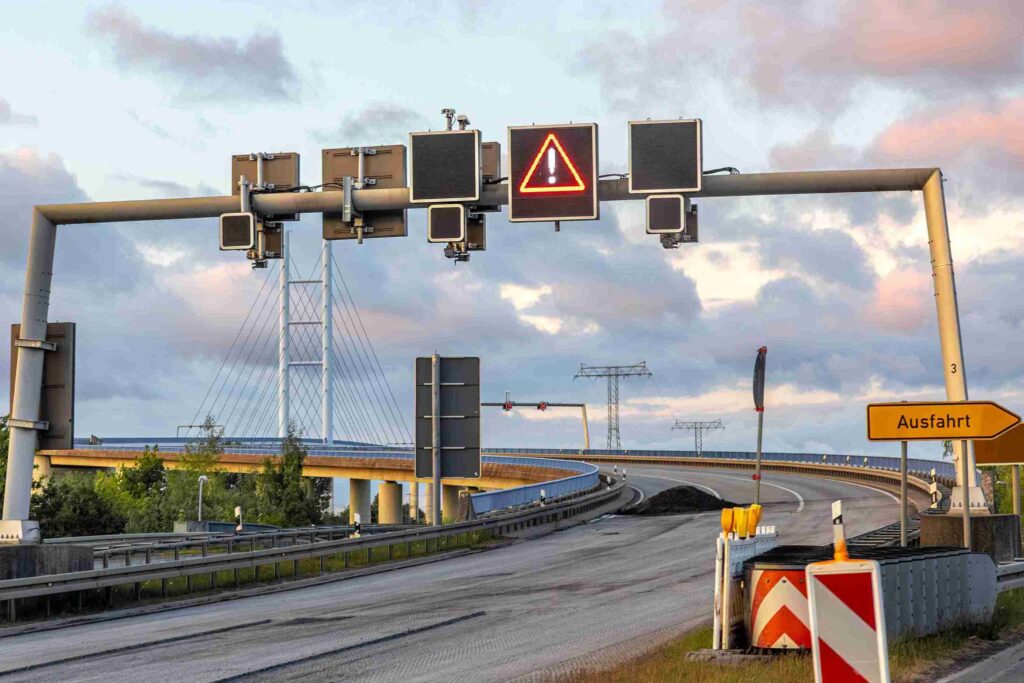
Smart motorway technology has been introduced on parts of the M60 to manage congestion more effectively. Variable speed limits and overhead gantries aim to smooth traffic flow and improve safety. While these measures have helped in some areas, congestion remains a persistent challenge.
Road Safety and Smart Motorway Features
Safety is a major focus on the M60, particularly given its heavy usage. Smart motorway features such as speed cameras, lane control signals, and real-time monitoring are designed to reduce accidents and improve response times when incidents occur.
Public opinion on smart motorways is mixed, with some drivers expressing concerns about safety during breakdowns. Authorities continue to review and upgrade safety measures, including improved signage and emergency refuge areas.
Economic Significance of the M60
The M60 plays a crucial role in supporting the economy of Greater Manchester. By facilitating the movement of goods, services, and workers, it underpins key industries such as manufacturing, retail, logistics, and aviation.
Business parks, distribution centres, and shopping destinations like the Trafford Centre benefit from direct access to the motorway. Without the M60, congestion in surrounding areas would increase significantly, impacting productivity and regional growth.
Environmental Impact and Challenges
Like many major road networks, the M60 has environmental implications. High traffic volumes contribute to air pollution and noise in nearby residential areas. Balancing economic benefits with environmental concerns is an ongoing challenge for transport planners.
Efforts to reduce emissions include promoting public transport, encouraging electric vehicle adoption, and improving traffic flow to minimize stop-start driving. Long-term strategies aim to make the M60 more sustainable while maintaining its essential function.
M60 and Public Awareness
The M60 has become a familiar feature in regional news, with regular updates on traffic conditions, accidents, and roadworks. Radio stations, navigation apps, and online news platforms frequently report on the motorway, reflecting its importance in daily life.
For many drivers, checking the status of the M60 before setting off is routine. This reliance highlights how deeply the motorway is integrated into the region’s transport habits.
Future Plans and Improvements
Future plans for the M60 focus on maintenance, safety upgrades, and traffic management rather than major expansion. With limited space for widening, authorities are prioritizing smarter use of existing infrastructure.
Technological improvements, including enhanced monitoring systems and better integration with navigation services, are expected to play a key role in managing demand. Long-term transport strategies also emphasize reducing dependency on private vehicles through improved public transport links.
Tips for Driving on the M60
Driving on the M60 can be smoother with careful planning. Avoiding peak travel times where possible, monitoring live traffic updates, and being flexible with routes can help reduce stress and delays. Understanding alternative routes and junction layouts is also beneficial during incidents or closures.
For new drivers or those unfamiliar with the motorway, patience and awareness are essential, particularly near busy interchanges and during variable speed limit zones.
Conclusion
The M60 motorway is a vital artery for Greater Manchester, shaping how people travel, work, and do business across the region. Its history, design, and extensive connections make it one of the most important road networks in the North West.
While congestion and safety concerns remain ongoing challenges, the M60 continues to support economic growth and regional connectivity. With continued investment and smart management, it will remain a cornerstone of Greater Manchester’s transport infrastructure for years to come.


